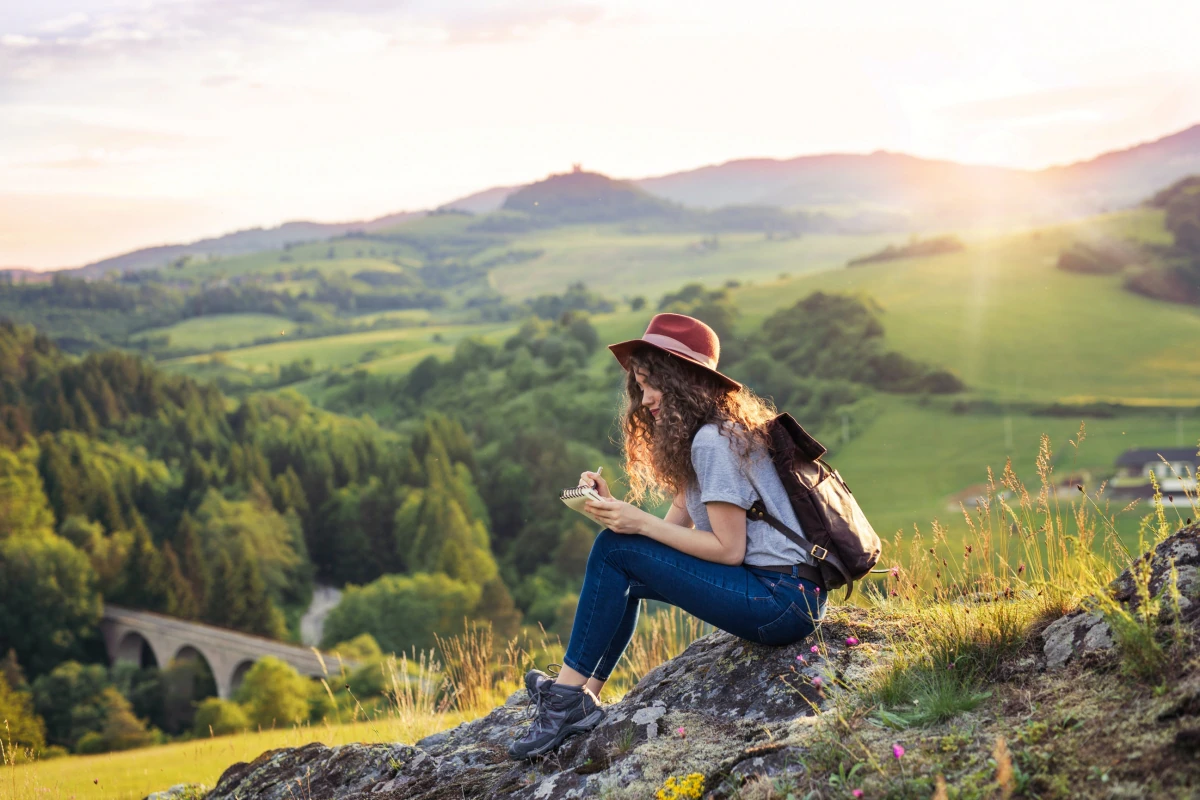



If you’ve ever dreamed of escaping the daily grind, breathing fresh mountain air, and discovering landscapes untouched by concrete and city noise, then hiking is your perfect adventure. And to help outdoor lovers like you explore confidently, this comprehensive blog brings you the ultimate hiking trip guides—covering everything from planning and packing to safety, routes, terrain, and eco-friendly hiking.
- 🌲 Why Hiking Trip Guides Matter
- 🧭 Types of Hiking Trips (Choose Your Adventure Style)
- 🗺️ How to Plan a Hiking Trip (Step-by-Step Guide)
- 🎒 What to Pack for a Hiking Trip (Essential Checklist)
- 🥾 Understanding Trail Difficulty & Terrain
- 🐻 Wildlife Safety Guidelines
- 🚨 Hiking Safety: Rules Experts Swear By
- 🌍 Leave No Trace Principles (Eco-Friendly Hiking)
- 🧳 Best Places in the World for Hiking (Bucket-List Routes)
- 🏁 Final Thoughts: Start Your Hiking Journey Today
Whether you’re a weekend trekker or a seasoned backpacker, this guide will give you the best strategies, tools, and tips to make your next hiking experience unforgettable.
🌲 Why Hiking Trip Guides Matter
Hiking isn’t just about walking through forests or climbing mountains. It involves strategizing routes, knowing terrain, preparing gear, understanding weather patterns, and ensuring safety. Proper guides help you:
- Avoid common beginner mistakes
- Pack correctly for the terrain
- Prepare physically and mentally
- Navigate unfamiliar trails safely
- Reduce environmental impact
- Have a fulfilling and stress-free nature experience
With millions of new hikers hitting trails every year, having reliable hiking trip guides ensures you’re prepared—not just optimistic.
🧭 Types of Hiking Trips (Choose Your Adventure Style)
Not all hikes are the same. Understanding trail types helps you select the right preparation plan:
1. Day Hikes
✔ Suitable for beginners
✔ Usually under 10 hours
✔ Requires minimal gear
Best for exploring local nature reserves, waterfalls, coastal paths, and parks.
2. Overnight Hiking Trips
✔ Includes camping overnight
✔ Requires packing food, water & tents
Perfect for hikers who want more immersive nature experiences.
3. Backpacking & Multi-Day Treks
✔ Covers long distances across regions
✔ Can take 3 days to several weeks
Examples include trekking in the Himalayas, Appalachian Trail, and Inca Trail.
4. Summit & Peak Hikes
✔ Includes steep climbs and altitude
✔ Requires advanced training & equipment
Examples: Mount Kilimanjaro, Mount Fuji, Mount Toubkal.
Understanding your preferred style helps you build a better hiking plan.
🗺️ How to Plan a Hiking Trip (Step-by-Step Guide)
Planning is often the difference between an unforgettable adventure and a miserable struggle. Here is how experts outline hiking trip guides:
🧩 Step 1: Choose Your Trail
Key trails vary by difficulty, scenery, elevation, and climate. When picking a trail, check:
✔ Distance
✔ Elevation gain
✔ Trail marking clarity
✔ Weather conditions
✔ Wildlife presence
✔ Nearby water sources
✔ Safety & emergency access
Use online platforms like:
- AllTrails
- Gaia GPS
- Komoot
- Trailforks
- ViewRanger
🏋️ Step 2: Assess Your Fitness & Skills
Hiking demands endurance, strength, and mental clarity. Evaluate:
✓ Cardio endurance
✓ Ability to walk on uneven surfaces
✓ Ability to carry loaded bags
✓ Experience navigating trails
If needed, train by:
- Walking 10,000–15,000 steps daily
- Doing stair & incline treadmill workouts
- Practicing weighted pack walks
- Strengthening legs and core
🌦 Step 3: Check Weather & Seasonal Conditions
Weather determines trail safety more than anything else. Before hiking:
✔ Check local weather forecasts
✔ Monitor storms, snowfall, or heat alerts
✔ Research seasonal hazards like avalanches or floods
Good apps include:
📍 Windy
📍 AccuWeather
📍 Mountain Forecast
📍 NOAA Radar
🛠 Step 4: Map Your Route & Backup Plans
Never rely solely on phone GPS. Many hiking trip guides recommend:
- Printed topographic maps
- Compass navigation
- Offline GPS downloads
Also create:
✔ Main route plan
✔ Backup route plan
✔ Exit & emergency points
✔ Water refill points
Share your route with a family member for additional safety.
🎒 What to Pack for a Hiking Trip (Essential Checklist)
Packing depends on weather, terrain, and trip duration. Here’s an expert-approved packing checklist:
🥾 Essential Gear
✔ Backpack (20L–40L day hike / 50L–70L multi-day)
✔ Hiking boots or trail shoes
✔ Trekking poles
✔ Map & compass
✔ Multi-tool or knife
🧤 Clothing (Layering System)
Use the proven “3-Layer Rule”:
Base Layer: moisture-wicking
Mid Layer: insulation (fleece or down)
Outer Layer: waterproof & windproof
Avoid cotton—opt for polyester, merino wool, down, or nylon.
🥗 Food & Hydration
✔ Water (2–3 litres minimum)
✔ Electrolyte tablets
✔ High-energy snacks (trail mix, nuts, jerky)
✔ Meals for multi-day treks (freeze-dried works best)
Hydration tip: Drink before you feel thirsty.
🚑 Safety & First Aid
✔ First aid kit
✔ Emergency bivy or space blanket
✔ Whistle
✔ Headlamp with extra batteries
✔ Fire starter
✔ GPS beacon (for remote areas)
⛺ Camping & Overnight Gear (Optional)
✔ Tent or bivy sack
✔ Sleeping bag & pad
✔ Stove & fuel
✔ Bear canister (in bear zones)
Experts advise keeping base weight under 35% of your body weight.
🥾 Understanding Trail Difficulty & Terrain
When reading online hiking trip guides, trail difficulty usually falls under:
Easy
- Well-marked
- Low elevation
- Short distance
- Suitable for beginners & families
Moderate
- Steeper inclines
- Mixed terrain (rocks, mud)
- May require basic navigation
Difficult / Advanced
- High altitude exposure
- Technical climbing sections
- Risk of weather changes
- Requires training & proper gear
Terrain awareness helps prevent injuries and fatigue.
🐻 Wildlife Safety Guidelines
Many hiking regions are home to wild animals such as:
- Bears
- Mountain lions
- Snakes
- Wolves
- Elk & moose
General guidelines:
✔ Never feed wildlife
✔ Store food in bear-proof containers
✔ Keep distance (minimum 100m for predators, 50m for others)
✔ Make noise on blind corners
✔ Know emergency response protocols
In bear country, carry bear spray and know how to use it.
🚨 Hiking Safety: Rules Experts Swear By
Even well-planned trips can go wrong. Follow these top safety rules:
✔ Don’t hike alone in unfamiliar areas
✔ Stay on marked trails
✔ Carry backup navigation
✔ Never underestimate weather changes
✔ Don’t push beyond your limits
✔ Inform someone about your hiking plan
✔ Know basic first aid & injury treatment
🌍 Leave No Trace Principles (Eco-Friendly Hiking)
Good hiking trip guides promote sustainability. Follow the 7 LNT principles:
- Plan ahead & prepare
- Travel & camp on durable surfaces
- Dispose of waste properly
- Leave what you find
- Minimize campfire impact
- Respect wildlife
- Be considerate of others
Nature isn’t a theme park—protecting it is part of the adventure.
🧳 Best Places in the World for Hiking (Bucket-List Routes)
If you’re hungry for inspiration, here are global favorites:
🇺🇸 United States
- Appalachian Trail
- Pacific Crest Trail
- Glacier National Park
🇨🇦 Canada
- Banff & Jasper National Parks
- West Coast Trail
🇨🇭 Switzerland
- Jungfrau Region
- Zermatt (Matterhorn trails)
🇳🇵 Nepal
- Everest Base Camp
- Annapurna Circuit
🇨🇱 Chile
- Torres del Paine (Patagonia)
Each region offers unique ecosystems, cultures, and adventure styles.
🏁 Final Thoughts: Start Your Hiking Journey Today
Hiking isn’t just an outdoor activity—it’s a lifestyle that builds confidence, boosts mental health, strengthens your body, and connects you with nature. With the right preparation, gear, and knowledge, anyone can have extraordinary experiences on the trail.
Reliable hiking trip guides like this help you:
✔ Choose the right trail
✔ Pack the right gear
✔ Stay safe and confident
✔ Travel responsibly
✔ Enjoy every moment of your journey
So pack your bag, lace up your boots, and step onto the trail—your next great adventure is waiting!