

Mountain travel has become one of the world’s most rewarding ways to escape crowded cities, reconnect with nature, and experience adventure. From snow-capped Himalayan peaks to the lush green trails of the Rockies, mountain travel offers something for everyone—whether you’re chasing adrenaline-pumping hikes, peaceful landscapes, or rich local culture.
- What Makes Mountain Travel Special?
- Best Mountain Travel Destinations in the World (2026)
- Best Seasons for Mountain Travel
- Types of Mountain Travel Experiences
- How to Plan a Mountain Travel Itinerary (Step-by-Step)
- Mountain Travel Packing List (Beginner-Friendly)
- Health & Safety Tips for Mountain Travel
- Budgeting for Mountain Travel (Realistic Costs)
- Environmental Responsibility & Sustainable Mountain Travel
- Frequently Asked Questions (FAQs)
- Conclusion: Why Mountain Travel Is Worth It
What Makes Mountain Travel Special?
Unlike city tourism or beach vacations, mountain travel exposes you to:
- Fresh air & cleaner environments
- Stunning landscapes & panoramic viewpoints
- Adventure activities (hiking, trekking, skiing, rock climbing)
- Unique local cultures & mountain communities
- Peace, solitude & mental rejuvenation
Modern research suggests mountain environments help reduce stress, improve breathing, and enhance mental clarity. This is one reason travelers increasingly choose mountain destinations for digital detox retreats, weekend escapes, and long expeditions.
Best Mountain Travel Destinations in the World (2026)
Whether you’re a beginner or seasoned traveler, here are the top mountain regions worth visiting:
1. The Himalayas (India, Nepal, Bhutan)
Best for: trekking, spirituality, stunning snow peaks
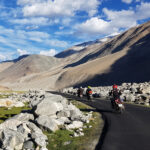
Top spots: Manali, Ladakh, Sikkim, Everest Base Camp, Bhutan’s Paro Valley
Why visit:
- Home to Mount Everest, the world’s highest peak
- Rich cultural and spiritual atmosphere (monasteries, Tibetan culture)
- Ideal for long treks & motorcycle expeditions
2. The Swiss & French Alps (Europe)
Best for: skiing, snowboarding, luxury chalets
Top spots: Zermatt, Chamonix, St. Moritz, Interlaken
Why visit:
- World-class winter sports
- Perfect infrastructure, scenic trains, and alpine towns
- Mix of luxury resorts & adventure sports
3. The Rocky Mountains (USA & Canada)
Best for: camping, wildlife, scenic road trips
Top spots: Banff, Jasper, Colorado Rockies, Yellowstone
Why visit:
- Crystal-clear lakes, forests, waterfalls, and wildlife
- Easy camping & self-drive itineraries
- Iconic national parks with marked trails
4. The Andes (South America)
Best for: hiking, ancient culture, volcanic landscapes
Top spots: Machu Picchu, Patagonia, Quito, Torres del Paine
Why visit:
- Blend of ancient Inca culture + rugged mountain scenery
- Challenging trails like the W Trek and Inca Trail
- Unique wildlife and dramatic landscapes
5. Mount Fuji & Japanese Alps (Japan)
Best for: seasonal beauty, cultural travel, hiking
Top spots: Mount Fuji, Hakuba, Kamikochi, Nagano
Why visit:
- Cherry blossoms + snow peaks = unmatched scenery
- Rich cultural heritage, hot springs, temples
- Accessible for beginners and families
Best Seasons for Mountain Travel
Choosing the right season can make or break your mountain trip:
| Region | Best Time to Visit | Notes |
|---|---|---|
| Himalayas | March–June, Sept–Nov | Winter treks available Dec–Feb |
| Alps | Dec–March (ski), June–Sept (hike) | Shoulder seasons cheaper |
| Rockies | May–Oct | Wildlife viewing peaks in summer |
| Andes | April–Oct | Dry season best for trekking |
| Japan | April–May, Oct–Nov | Fuji climbing season July–Sept |
Pro Tip: Avoid monsoons in Nepal, India, and Bhutan if trekking is your main plan—landslides and heavy rain can disrupt travel.
Types of Mountain Travel Experiences
Not all mountain travelers seek the same experience. Here are popular travel styles:
✔ Adventure & Trekking
- Trekking trails (Everest Base Camp, Kilimanjaro, Inca Trail)
- Rock climbing & bouldering
- Ice climbing, glacier walking, canyoning
✔ Winter Sports Travel
- Skiing & snowboarding in the Alps or Colorado
- Snowmobiling, dog sledding, ice skating
- Ideal for December–March season
✔ Cultural & Spiritual Travel
- Himalayan monasteries in Ladakh & Bhutan
- Mountain temples in Japan & Nepal
- Indigenous communities in the Andes
✔ Scenic Leisure & Wellness Travel
- Slow travel through mountain towns
- Yoga retreats with mountain views
- Scenic train journeys & hot springs
How to Plan a Mountain Travel Itinerary (Step-by-Step)
Planning mountain travel requires more preparation than typical vacations. Here’s a structured approach:
Step 1: Decide Your Travel Goal
Ask yourself:
- Do I want adventure or relaxation?
- Am I new to mountain travel?
- Do I prefer solo, group, or family trips?
Step 2: Choose the Destination
Base your choice on:
- Weather
- Budget
- Experience level
- Accessibility
- Safety conditions
Step 3: Check Weather & Altitude
Different ranges mean different climates.
For high-altitude regions, check:
- Average temperature
- Snow levels
- Trekking season
- Road closures
Step 4: Book Accommodation Early
Mountain towns fill fast during peak seasons, especially:
- Ski resorts
- Festival months
- Long weekends
Step 5: Arrange Transport & Permits
Depending on destination, you may need:
- Trekking permits
- National park passes
- Travel insurance
- Guide bookings
Mountain Travel Packing List (Beginner-Friendly)
Packing incorrectly is one of the most common mistakes new mountain travelers make.
Here’s an optimized packing list depending on altitude and season:
Clothing
- Waterproof jacket
- Thermals (base layers)
- Fleece hoodie
- Breathable hiking pants
- Wool socks
- Gloves + beanie
- Comfortable trekking shoes
Gear
- Backpack (30–50L)
- Trekking poles
- Sunglasses (UV protection)
- Water bottle or hydration system
- Flashlight / Headlamp
Safety & Essentials
- Sunscreen SPF 50+
- First-aid kit
- Lip balm
- Power bank
- Multi-tool knife
Winter add-ons: crampons, snow gaiters, heavier insulation layers, ski gear.
Hot tip: Cotton absorbs moisture and causes chills at altitude—avoid it; choose quick-dry fabrics instead.
Health & Safety Tips for Mountain Travel
Mountain environments come with unique risks. Protect yourself with these guidelines:
✔ Acclimatize for Altitude
Altitude sickness can affect anyone above 2,500m.
Prevention tips:
- Ascend slowly
- Drink plenty of water
- Avoid alcohol & smoking
- Take acclimatization days during trekking
✔ Check Weather Forecasts
Mountain weather changes fast—rain, snow, fog, and storms can appear unexpectedly.
✔ Hire Local Guides When Needed
Guides help with:
- Navigation
- Language
- Cultural etiquette
- Emergency response
- Permits
✔ Travel Insurance
Choose a plan that covers:
- High altitude trekking
- Winter sports
- Helicopter evacuation
- Medical emergencies
Budgeting for Mountain Travel (Realistic Costs)
Your costs depend on region, travel style, and duration.
Sample Daily Cost Ranges:
| Region | Budget | Mid-Range | Luxury |
|---|---|---|---|
| Himalayas | $35–$70 | $70–$150 | $200+ |
| Alps | $70–$120 | $150–$300 | $350+ |
| Rockies | $80–$120 | $120–$250 | $300+ |
| Andes | $40–$80 | $80–$150 | $200+ |
Cost-saving tips:
- Travel off-season
- Use local homestays instead of hotels
- Rent gear instead of buying
- Join group tours for treks
- Pre-book ski passes & equipment
Environmental Responsibility & Sustainable Mountain Travel
Mountains are fragile ecosystems. Sustainable travel includes:
- Avoiding single-use plastics
- Respecting wildlife
- Staying on marked trails
- Supporting local communities (farm stays, guides, handicrafts)
- Following Leave No Trace (LNT) principles
Many popular destinations now enforce eco-permits, restricted visitor numbers, and waste management rules to protect natural habitats.
Frequently Asked Questions (FAQs)
1. Is mountain travel safe for beginners?
Yes, as long as you choose low-to-mid altitude destinations, travel during the right season, and avoid extreme sports until experienced.
2. How many days should I plan for a mountain trip?
Short trips: 3–5 days (weekend escapes)
Long trips: 7–21 days (treks & expeditions)
3. Do I need special fitness training?
Basic cardiovascular fitness is helpful for activities like:
- Trekking
- Hiking
- Skiing
- Cycling
4. What age is suitable for mountain travel?
Families with kids, solo travelers, and seniors all travel to mountain destinations—just choose the right altitude and difficulty.
5. Can mountain travel be done year-round?
Depends on location. Winter is ideal for skiing while summer is better for trekking and climbing.
Conclusion: Why Mountain Travel Is Worth It
Mountain travel challenges the body, calms the mind, and expands perspective. Whether you’re trekking through the Himalayas, skiing in Switzerland, camping in Canada, or exploring the Andes, mountain destinations offer unmatched beauty and life-changing experiences.
With the right planning, gear, safety practices, and eco-awareness, your mountain adventure can become one of the most rewarding journeys of your life.
If you’re looking for peace, adventure, nature, and culture all in one trip, mountain travel should be at the top of your bucket list.