


Wildlife safari trips are among the most thrilling travel experiences on earth. They allow you to immerse yourself in untouched wilderness, observe magnificent animals in their natural habitats, and learn about biodiversity, conservation, and local cultures. Whether you’re dreaming of seeing lions on the African savannah or spotting tigers in India’s dense forests, a wildlife safari can deliver the adventure of a lifetime.
- What Are Wildlife Safari Trips?
- Best Destinations for Wildlife Safari Trips Around the World
- Types of Wildlife Safari Trips
- Best Time for Wildlife Safari Trips
- What to Expect on Wildlife Safari Trips
- How to Choose the Right Safari Package
- Estimated Cost of Wildlife Safari Trips
- Packing Guide: What to Bring on Wildlife Safari Trips
- Safety Tips for Wildlife Safari Trips
- Frequently Asked Questions (FAQ)
- Final Thoughts: Why Wildlife Safari Trips Are Worth It
In this comprehensive guide, we cover where to go, what to expect, how to plan, best seasons, safety tips, costs, and more — everything you need to know before booking wildlife safari trips.
What Are Wildlife Safari Trips?
Wildlife safari trips are guided excursions designed to explore natural habitats and observe wild animals in the wild. Unlike zoos or parks, safaris take place in vast protected reserves, forests, savannahs, wetlands, or jungles, offering ethical wildlife viewing experiences.
Most wildlife safaris include:
- Guided game drives
- Open-air or jeep transport
- Nature walks
- Conservation learning
- Photography opportunities
- Birdwatching
- Cultural interactions with local tribes or communities
Best Destinations for Wildlife Safari Trips Around the World
Below are the top bucket-list destinations globally for unforgettable wildlife safari trips:
1. African Safaris – The Gold Standard of Wildlife Adventures
Africa remains one of the world’s most iconic safari destinations due to its rich biodiversity and legendary “Big Five.”
Top African Safari Countries:
| Country | Highlights | Best Parks/Reserves |
|---|---|---|
| Kenya | Big Cats, Migration | Masai Mara, Amboseli |
| Tanzania | Great Migration, Serengeti | Serengeti, Ngorongoro |
| South Africa | Big Five, Luxury Lodges | Kruger NP, Sabi Sands |
| Botswana | Exclusive, Water Safaris | Okavango Delta, Chobe |
| Namibia | Desert Wildlife | Etosha National Park |
Major Wildlife Attractions in Africa:
- Lions, Leopards & Cheetahs
- Elephants & Rhinos
- Wildebeest Migration (July–October)
- Hippos & Crocodiles
- Giraffes, Zebras, Gazelles
- Hyenas & African Wild Dogs
- 500+ bird species depending on region
2. Indian Subcontinent – The Land of Tigers & Exotic Wildlife
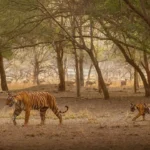
India offers a completely different safari experience — dense jungles, ancient forests, and rare species like Bengal tigers and snow leopards.
Best Wildlife Safari Destinations in India:
| National Park | Known For |
|---|---|
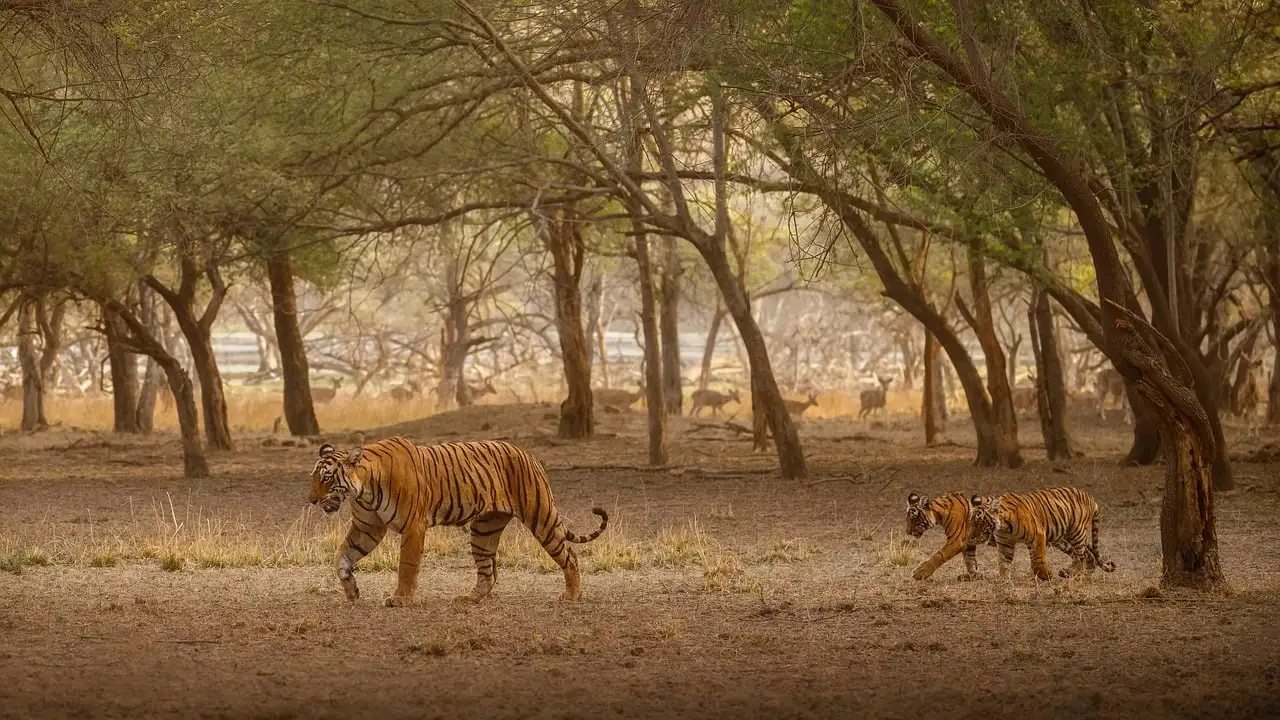
| Ranthambore (Rajasthan) | Bengal Tigers |
| Jim Corbett (Uttarakhand) | Tigers + Birdlife |
| Bandhavgarh (Madhya Pradesh) | Highest tiger density |
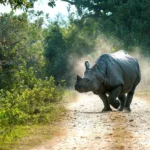
| Kaziranga (Assam) | One-Horned Rhinos |
| Gir Forest (Gujarat) | Asiatic Lions |
India also offers unique safaris such as:
- Snow Leopard Safari in Ladakh
- Elephant Safaris in Kerala
- Bird Safaris in Bharatpur
3. South America – Rainforests & Rare Species
For rainforest lovers, South America delivers surreal wildlife experiences.
Best Wildlife Safari Destinations:
- Amazon Rainforest (Brazil/Peru/Ecuador) – Jaguars, tapirs, monkeys, macaws
- Pantanal Wetlands (Brazil) – Best jaguar sightings
- Galápagos Islands (Ecuador) – Giant tortoises, marine iguanas, penguins
4. Australia – Unique & Endemic Wildlife
Australia provides wildlife safaris featuring species you won’t find anywhere else.
Popular Wildlife Experiences
- Kangaroo & Koala spotting
- Crocodile cruises in Northern Territory
- Great Barrier Reef marine safaris
- Tasmanian Devil sanctuaries
Types of Wildlife Safari Trips
Wildlife safari trips are not all the same! Here are the major types:
1. Jeep/Game Drive Safaris
Most common; guided drives in open vehicles to spot large animals.
2. Walking Safaris
Foot safaris with expert rangers for a close-to-nature experience.
3. Water Safaris
Boat-based wildlife spotting — ideal for crocodiles, hippos, birds, and jaguars.
4. Birdwatching Safaris
Focus on regional bird species — especially popular in India, Costa Rica, and Africa.
5. Photographic Safaris
Run by photography experts; perfect for serious wildlife photographers.
Best Time for Wildlife Safari Trips
Timing matters because weather affects animal behavior.
General Best Time Worldwide
- Dry Season (June – October)
Animals gather near watering holes, making sightings easier.
Examples:
- Africa: June – October
- India: October – June (closed during monsoon)
- Brazil-Pantanal: July – October
- Galápagos: Year-round but varies by species
Always check seasonal variations before booking.
What to Expect on Wildlife Safari Trips
Most wildlife safaris include:
✔ Early morning and late afternoon drives
✔ Professional guides & spotters
✔ Safety briefings
✔ Lodge or tented accommodation
✔ Meals & water provided
✔ Cultural experiences (varies by destination)
Typical daily schedule:
- 5:30 AM: Wake-up call
- 6:00 AM: First game drive
- 10:00 AM: Breakfast + rest
- 3:30 PM: Evening game drive
- 7:30 PM: Dinner & campfire
How to Choose the Right Safari Package
When planning wildlife safari trips, consider:
1. Wildlife Priorities
Do you want to see:
- Tigers
- Lions
- Rhinos
- Snow leopards
- Jaguars
- Orangutans
- Birds
2. Budget Level
Safari trips range from budget-friendly to ultra-luxury.
3. Group vs Private
Private safaris offer more freedom but cost more.
4. Accommodation Type
Choose from:
- Luxury lodges
- Eco camps
- Mobile tented camps
5. Ethical & Eco-Friendly Operators
Always book with companies that follow conservation-first policies.
Estimated Cost of Wildlife Safari Trips
Prices vary widely depending on region, luxury level, and season.
Average Cost Breakdown
| Region | Budget Range (per person) |
|---|---|
| Africa Safari | $1500 – $15,000+ |
| India Safaris | $300 – $4000 |
| South America | $1000 – $8000 |
| Galápagos Cruises | $3000 – $12,000 |
Factors influencing price:
- Park entry fees
- Guide expertise
- Accommodation quality
- Transportation (internal flights)
- Season (peak vs off-peak)
Packing Guide: What to Bring on Wildlife Safari Trips
A smart packing list ensures comfort & safety.
Clothing
✔ Neutral-colored clothes
✔ Lightweight shirts
✔ Convertible pants
✔ Fleece/jacket for mornings
✔ Hat & sunglasses
Gear
✔ Binoculars
✔ Camera + extra memory cards
✔ Power bank & chargers
Health & Safety
✔ Insect repellent
✔ Basic medications
✔ Sunscreen
✔ Reusable water bottle
Avoid bright colors like red or neon — they may alert animals.
Safety Tips for Wildlife Safari Trips
- Always follow guide instructions
- Never stand up suddenly in vehicles
- Do not approach wildlife or feed animals
- Keep noise levels low
- Maintain safe distances
- Pack first-aid essentials
- Stay hydrated
Safaris are generally safe when rules are respected.
Frequently Asked Questions (FAQ)
1. Are wildlife safari trips safe for families?
Yes. Many parks offer family-friendly safaris, provided children follow safety rules.
2. Which safari is better: Kenya or South Africa?
Kenya is known for the Great Migration; South Africa is better for luxury lodges & Big Five sighting consistency.
3. Do I need travel insurance for safaris?
Highly recommended — especially for medical evacuation and trip delays.
4. Can I go on a safari alone?
Yes. Group safaris are great for solo travelers and budget-friendly.
5. Are safaris ethical?
Licensed, conservation-based safaris support wildlife protection and local communities. Avoid operators offering animal interactions.
Final Thoughts: Why Wildlife Safari Trips Are Worth It
Wildlife safari trips reconnect you with nature, offer once-in-a-lifetime sightings, and support vital conservation efforts. Whether you dream of seeing lions at sunrise or tigers prowling through jungles, there’s a perfect destination waiting for you.
From Africa’s endless plains to India’s tiger reserves and the Amazon’s mysterious rainforests — the world’s wild places are calling. If you want adventure, education, photography opportunities, and unforgettable memories, safari travel is one of the most powerful ways to do it.